How to Prepare Your Backyard for a Pool: An Auckland Homeowner’s Guide
A beautiful pool rarely begins with the shell. It begins with the decisions you make before excavation starts.
If you are weighing up how to prepare your backyard for a pool, the real work is not simply clearing space. It is shaping the site so the pool feels considered, functions properly and adds lasting value to your home. Done well, preparation protects your budget, removes avoidable delays and sets up a backyard that looks calm and cohesive once the installation is complete. Get it wrong, and the costs tend to surface at the worst possible moment, once the digging has already started.
This guide walks through what matters most, from sightlines and soil to drainage, services and long-term upkeep, with the practical realities of building a pool in Auckland in mind.
Start with the finished picture, not just the pool
INSERT IMAGE:
The most common mistake homeowners make is focusing only on where the pool will sit. A premium result depends on the whole outdoor setting: how you move through it, where the sun falls, how the house connects to the water and what the space feels like from indoors.
Before any practical site work begins, stand inside your main living areas and look out. Consider the view from the kitchen, dining and lounge. A pool should feel anchored to the home, not dropped into the yard as an afterthought. This matters even more if you are aiming for a resort-style finish, where water, landscaping and entertaining zones read as one composition.
It also helps to think about how the backyard will be used across the year. A family that wants open lawn for kids will prepare the site differently from homeowners focused on entertaining, low-maintenance planting or a spa-like retreat. There is no single correct layout. The right one suits your home, your routine and the level of upkeep you are comfortable with.
Begin with the site, not the wish list
A pool design can be refined. Site constraints are far less forgiving, so it pays to understand them first.
Start with a clear assessment of the block itself. Slope, drainage, access, retaining requirements, existing structures and underground services all affect what is practical. A gently sloping site can still produce an outstanding pool area, though it may call for more planning around excavation, retaining walls and transitions between levels. A narrow accessway can shape installation logistics, machinery use and staging.
Soil conditions matter too. Ground that drains poorly or shifts easily adds complexity, and parts of Auckland carry clay soils that behave exactly this way. Mature trees create considerations beyond leaf drop, including root systems, shade patterns and ongoing maintenance. In some backyards, keeping a feature tree makes sense because it frames the space beautifully. In others, removing or relocating it improves sunlight, reduces debris and allows a cleaner design.
This is one of those moments where expert advice pays for itself. What looks straightforward on the surface can become expensive once excavation begins.
Understand the rules before you lock in plans
Preparing the backyard is not only a physical task. It also means understanding the rules that shape the project.
Pool fencing requirements, boundary setbacks, easements and consent obligations all need review before final plans are confirmed. Across Auckland, site-specific requirements vary enough that assumptions become risky, and pool fencing in particular is tightly regulated for safety. It is far better to identify compliance issues at the planning stage than to redesign partway through.
Access deserves more attention than it usually receives. Think about how materials, excavation equipment and the pool itself will reach the site. Where access is tight, fencing, planting or hard landscaping may need temporary removal, which affects both timeline and cost. It is worth discussing well before work begins.
If the backyard already includes decking, pergolas, sheds or retaining, decide early what stays, what goes and what needs protection during installation. A polished result usually depends on making these calls upfront rather than working around too many existing elements.
Clear the space with care
Once the plan is taking shape, physical preparation can begin. This usually starts with clearing the proposed pool zone and the adjacent working area.
That may involve removing garden beds, outdoor furniture, temporary structures, play equipment or sections of old paving. If you have established landscaping worth keeping, protect it properly rather than hoping trades and machinery will simply avoid it. Trees and planting near the work zone can suffer from compacted soil, accidental root damage and heavy foot traffic.
It is also wise to create a clean path for site access. This keeps the project running efficiently and reduces mess across the rest of the property. Where the build passes close to the house, plan how trades will move in and out, where spoil will be staged and how driveways or tiled outdoor areas will be protected. Good preparation is rarely glamorous, yet it has a direct effect on how controlled the build feels.
Plan drainage before the pool goes in
Water in the pool is the easy part. Water around it is where backyards are won or lost.
Drainage is often underestimated until heavy rain exposes the weak spots, and Auckland sees plenty of that. Before installation, assess how stormwater currently moves through the property. If water already ponds near the house, runs across paving or sits against retaining walls, those issues should be resolved as part of the project.
A well-prepared backyard accounts for surface water, overflow management and surrounding hardscape levels. Pool coping, paving and garden edges all need to direct water away sensibly, which becomes even more important on sloping sites or where entertaining areas meet the pool zone. The best outcome is one where drainage disappears into the background because it has been handled properly. You will not notice it on a fine day, though you certainly will if it has been ignored.
Look beyond the shell
A premium pool does not live in isolation. It needs room to breathe.
As you prepare the backyard, map out the supporting spaces around the pool, including entry points, lounging areas, outdoor dining, equipment location, storage and fencing lines. The immediate surrounds should feel generous enough to use comfortably, even when the overall backyard is compact.
It is tempting to maximise pool size at the expense of circulation space, yet that can leave the area feeling cramped. In many cases a slightly smaller pool with better paving, cleaner planting and more usable entertaining space creates a stronger result. More water is not always better design.
Equipment placement deserves the same thought. Pumps, filters and cleaning systems should be accessible for servicing without intruding on the visual quality of the space. Smart planning keeps the technical side of pool ownership efficient and discreet. Don't forget our Ultimate Pools online store for pool supplies later on.
Sort services early
Electrical work, water supply and any heating provisions should be considered before the yard is finished.
If you want lighting, automated cleaning, heating or integrated outdoor features, those services need to form part of the preparation stage. Retrofitting after landscaping and paving are complete is possible, but rarely elegant or cost-effective. This is especially relevant if your vision is a complete backyard retreat rather than a stand-alone pool. Feature lighting, outdoor showers, covered entertaining areas and spa-style extras all rely on coordinated service planning, and the earlier those decisions are made, the cleaner the final result.
Keep maintenance in the frame
A backyard can look impressive on handover day and still become hard work later.
When deciding how to prepare the areas around the pool, weigh visual appeal against ongoing care. Large planting beds soften a space beautifully, though they may drop leaves, flowers or seed into the water. Pale paving looks crisp and luxurious, yet some finishes show dirt more readily. Timber brings warmth while asking for more upkeep than the alternatives.
None of this means choosing the easiest option every time. It means making informed choices. For many homeowners the sweet spot is a landscape that feels refined and inviting without turning weekends into a maintenance schedule. This is also where pool technology earns its place. Self-cleaning systems and well-designed equipment support a more effortless ownership experience, and they work best when the surrounding backyard has been planned with the same discipline.
Bring the whole picture together
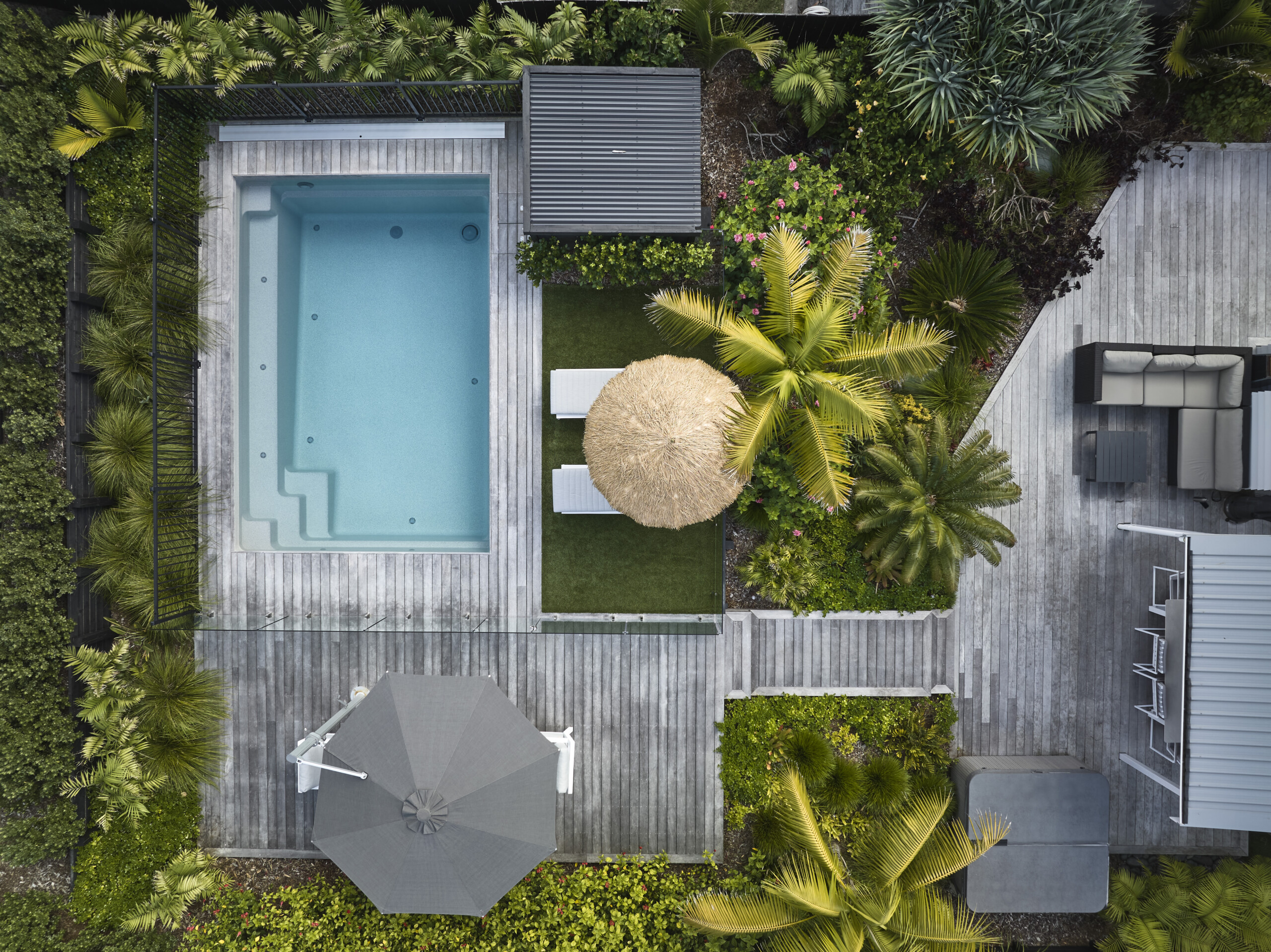
The smoothest projects happen when design, installation and long-term use are considered together from the outset.
Preparing the backyard well is not about doing more for its own sake. It is about reducing friction: fewer surprises in the ground, fewer compromises in the layout, fewer decisions made too late. Whether your home is being renovated in stages or you are ready for a full outdoor transformation, a clear plan gives the pool a better setting.
For homeowners seeking a premium finish, that preparation is what separates a pool installation from a fully resolved outdoor living space. Ultimate Pools approaches every project with that wider view in mind, considering not only how the pool is installed but how the entire backyard will function and feel once the work is done.
If you are planning a pool in Hibiscus Coast, North Shore, Orewa, Silverdale or up to Mangawhai and want the groundwork handled properly from the start, talk to the Ultimate Pools team before the first dirt is dug.
Ultimate Pools - Official SPASA registered Master Pool Builder.